EN
EN
 AR
AR BG
BG HR
HR CS
CS DA
DA NL
NL FI
FI FR
FR DE
DE EL
EL HI
HI IT
IT JA
JA KO
KO NO
NO PL
PL RO
RO RU
RU ES
ES SV
SV TL
TL ID
ID SR
SR VI
VI HU
HU MT
MT TH
TH TR
TR AF
AF MS
MS GA
GA BN
BN NE
NE
What to Look for in the Best Safety Shoes for Electricians
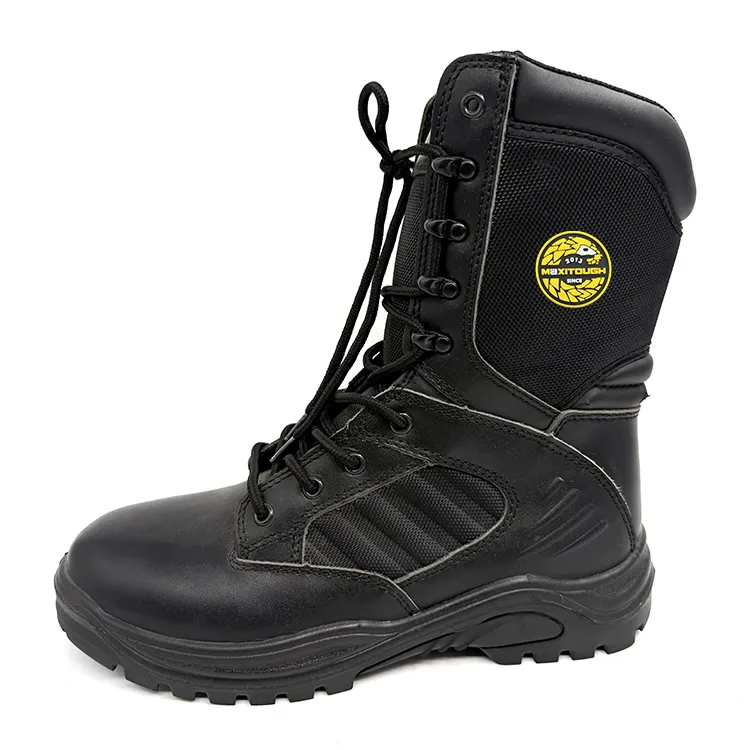
Choosing the best safety shoes for any job is never simple — but for electricians, the stakes go higher. The wrong footwear can turn a live-wire incident into something far worse. Working through safety footwear decisions for electrical crews over the years, the most common mistake I've seen is treating electrical work like any other industrial job when it comes to foot protection. The best safety shoes for general industrial use may not hold up in electrical environments. The hazards are different, and so are the selection criteria.
This guide covers the specific features that matter most when evaluating the best safety shoes for electricians: electrical hazard ratings, toe cap materials, ESD protection, slip resistance, and what it actually feels like to wear these shoes through a long shift. Knowing what sets the best safety shoes apart for this occupation is where sound selection begins.
Electrical Hazard (EH) Rating: Your Non-Negotiable Starting Point
Any safety shoe for electrical work should carry a verified Electrical Hazard (EH) rating. In the United States, this is defined under ASTM F2413 and ASTM F2892-18. EH-rated footwear must withstand 18,000 volts at 60 Hz for one minute, with no current leakage exceeding 1.0 milliamperes under dry conditions. That is the baseline certification separating the best safety shoes for electricians from standard work footwear.
Does the EH rating mean the shoes are safe for high-voltage environments? The honest answer: it depends on your specific work context. EH-rated footwear provides a secondary layer of protection against accidental contact with an energized circuit under dry conditions. If conditions are wet, or if regular contact with live equipment is part of the role, EH-rated shoes are not a replacement for rubber insulating overshoes or primary insulation. Understanding where EH protection fits in your overall PPE program matters more than just checking whether the label is present.
Toe Cap: Why Composite Is Usually the Better Choice for Electricians
Many assume that a steel toe cap gives the highest level of protection — but for electricians, this is one of the most common misconceptions when evaluating the best safety shoes. Both steel toe and composite toe boots can pass the same EH safety test under ASTM F2413. The gap shows up in real-world conditions.
Steel conducts electricity. If the upper material wears down or gets compromised, the steel cap introduces a conductive pathway near your feet. Composite toe caps — carbon fiber, fiberglass, Kevlar — are non-metallic by nature, which is why many electricians and safety managers at electrical contracting firms choose composite or non-metallic toe options as the best safety shoes for work involving live systems or proximity to energized equipment.
There is a practical weight difference as well. Composite toe caps are generally lighter than steel. When your day involves climbing ladders, working in tight panel spaces, and staying on your feet for six to ten hours, lighter footwear reduces fatigue over a full shift. Fatigued workers make more errors. When comparing the best safety shoes for electrical workers, toe material and overall weight both belong in the evaluation.
ESD Protection: Not the Same as EH Rating
Electrostatic discharge (ESD) protection and electrical hazard (EH) rating target different risks entirely. Confusing them leads to real gaps. The best safety shoes for electricians working in sensitive environments may need to address both — but they do opposite things electrically.
EH-rated shoes insulate the wearer from accidental circuit contact. ESD footwear dissipates static charges to prevent sparks near flammable materials or sensitive electronics. In environments like electrical panels adjacent to flammable gases, battery storage rooms, or facilities handling explosive substances, both ratings may be relevant. If the job involves classified hazardous locations with ESD control requirements, look for footwear that specifies both ratings explicitly — one does not cover the other.
Slip Resistance for Electrical Environments
Electrical work brings wet conditions more often than people expect: outdoor installations in rain, flooded crawl spaces, building sites with water present. In the best safety shoes for electricians, slip resistance is not a secondary feature — losing footing near energized equipment can turn a near-miss into a serious incident.
Look for outsoles rated SRC (the highest category under EN ISO 20345 in European markets), or footwear meeting ASTM F2913 slip resistance requirements in North American contexts. Rubber or polyurethane outsoles with deep, multi-directional lug patterns tend to hold across the surfaces electricians encounter — concrete, gravel, wet tile, and metal grating. A slip-resistant outsole independently tested against the relevant standard is more reliable than a general performance claim. Among the best safety shoes, slip resistance should be tested and verified, not just stated.
Comfort and Support for Long Shifts
Comfort gets underweighted in safety footwear decisions. If shoes are uncomfortable, workers find ways to avoid wearing them. The best safety shoes for electricians have to hold up to consistent daily use — a shoe that stays in the locker defeats its entire purpose regardless of certifications.
For electrical crews specifically, look for midsoles with decent shock absorption. Polyurethane (PU) or EVA foam midsoles cushion the impact of walking hard flooring and standing at height for extended periods. Removable insoles matter — they can be swapped for orthotic support as needed and extend hygiene life across long shifts. Ankle support should offer stability without restricting movement during ladder climbs; this is worth testing before committing to a full order.
Wider lasts improve fit across varied foot shapes in a team. Adequate toe box room affects both comfort and compliance — footwear workers remove at the first opportunity is not doing its job. When sourcing the best safety shoes for an electrical crew, fit and wear compliance are as important as the certification list.
How to Read and Verify Safety Certifications
Certification labels should not be accepted at face value, particularly from suppliers you have not worked with before. The EH designation on ASTM-compliant footwear should appear stamped or molded into the boot interior, alongside the ASTM version reference. CE-marked footwear for European markets should include a Declaration of Conformity (DoC) and reference EN ISO 20345.
A supplier that can provide test reports from an independent, accredited laboratory — not just a spec sheet — is a more reliable source than documentation that exists only on paper. When purchasing the best safety shoes for an organization with compliance obligations, retaining certification documentation tied to specific production batches is a practical step. Certification versions can expire, and products can change between production runs.
Matching the Best Safety Shoes to the Specific Work Context
No single safety shoe configuration fits every electrical environment. Residential wiring presents different exposures than high-voltage substation maintenance. A clean industrial facility is a different environment from utility line work in outdoor terrain and weather extremes. The best safety shoes for one role may not be the right call for another.
Start with the hazard profile of the specific work environment: electrical exposure risk, secondary hazards (slip, fall, chemical, temperature), and physical demands (mobility, weight, shift length). From that baseline, narrow the options to footwear meeting the relevant certifications for each identified risk. Then evaluate comfort and durability against actual use conditions before committing to a purchase.
Finding the best safety shoes for electricians involves more than one variable. EH rating, toe cap material, ESD requirements, slip resistance, and comfort all interact — and the right combination depends on the actual work environment. If you are sourcing footwear for a team, working with a supplier that understands how to configure the best safety shoes for electrical conditions and can support certifications with documentation is a practical investment.