EN
EN
 AR
AR BG
BG HR
HR CS
CS DA
DA NL
NL FI
FI FR
FR DE
DE EL
EL HI
HI IT
IT JA
JA KO
KO NO
NO PL
PL RO
RO RU
RU ES
ES SV
SV TL
TL ID
ID SR
SR VI
VI HU
HU MT
MT TH
TH TR
TR AF
AF MS
MS GA
GA BN
BN NE
NE
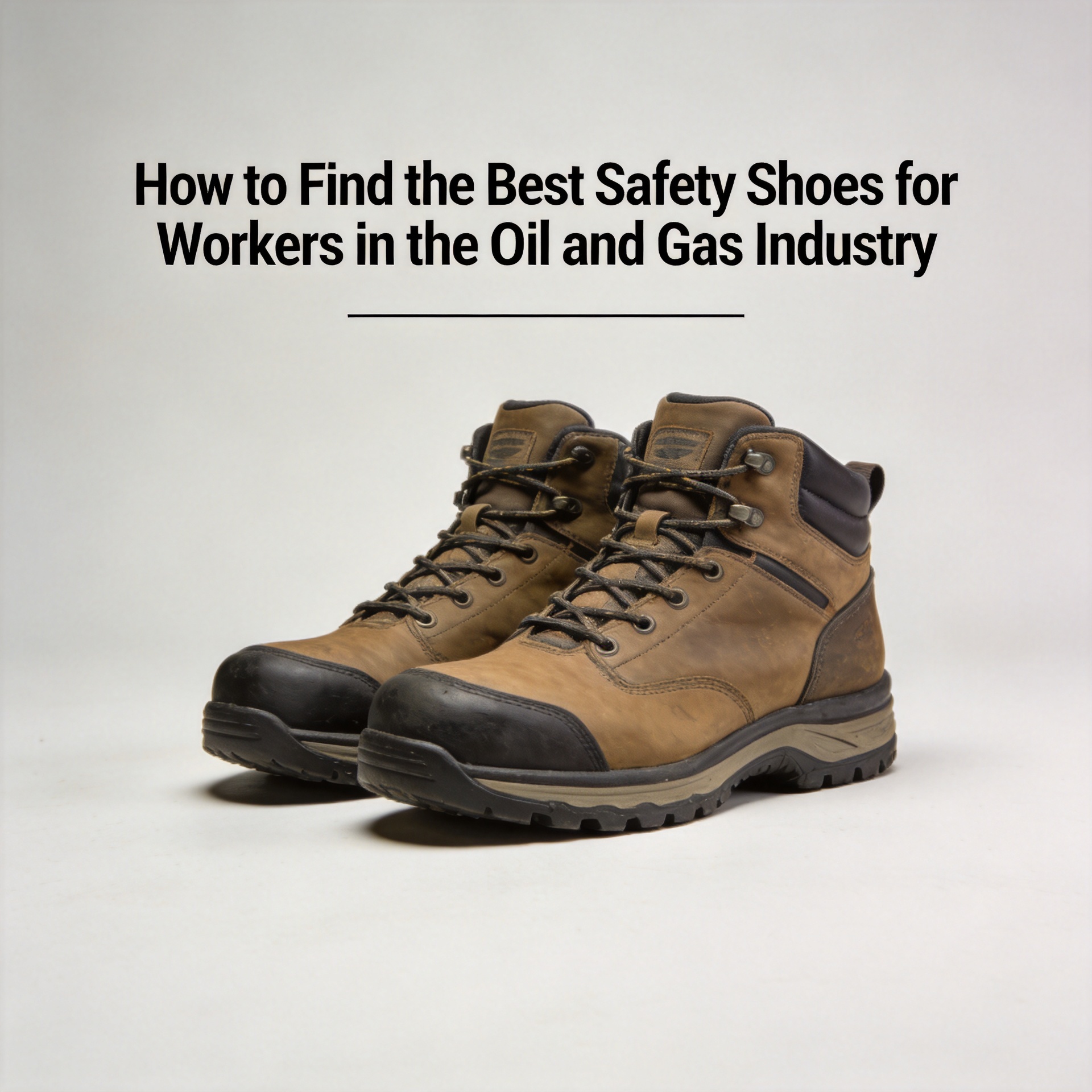
Why Best Waterproof Work Boots Are Essential for Construction in Rain
Rain changes a construction site in ways that catch unprepared crews off guard. Concrete turns slick within minutes. Scaffolding platforms hold water at every joint. Ground that held firm at dawn becomes unstable mud by midday. In these conditions, the best waterproof work boots are not optional — they are fundamental protective equipment. How much risk your crew carries depends directly on whether their footwear is up to the challenge.
According to 2023 construction safety data, falls, slips, and trips accounted for 39.2% of all construction fatalities — with the construction industry representing 47.8% of all fatal fall incidents across every U.S. industry sector. Research published in peer-reviewed workplace safety literature confirms that each 10 mm of daily precipitation increases work-related injuries by 1.57%, with fall-specific incidents rising 2.63% on wet days. These numbers make wet-condition footwear one of the most consequential safety decisions a site manager makes.
How Rain Multiplies Existing Construction Hazards
Construction hazards do not pause for rain — they escalate. Wet conditions intensify standard site risks in predictable ways:
- Reduced traction on all surfaces: Rain films on concrete, asphalt, and steel grating dramatically reduce friction. Surfaces workers navigate confidently in dry conditions become active fall hazards.
- Slippery elevated work areas: Scaffolding platforms and exterior staircases accumulate water rapidly, and workers carrying materials face compounded instability.
- Waterlogged excavation zones: Flooded trenches expose workers to cold water infiltration that reduces grip strength and slows the reflexes that prevent falls from becoming injuries.
- Unstable ground: Saturated uncompacted fill and exposed soil shift unpredictably underfoot — especially dangerous under load.
Standard work boots — even those marketed as durable or heavy-duty — typically let water in through seam junctions or absorbent uppers within a couple of hours of sustained wet exposure. Wet, cold feet reduce dexterity, slow grip response, and cause workers to unconsciously shift their movement patterns in ways that create secondary risks. Keeping feet dry throughout a full shift is exactly what separates the best waterproof work boots for construction from standard alternatives.
Waterproof vs. Water-Resistant: A Distinction That Matters Under Load
Treating "waterproof" and "water-resistant" as equivalent is a costly procurement mistake in construction contexts.
Water-resistant boots use surface coatings (DWR treatments) to deflect light splash — workable for brief outdoor exposure, but not for workers standing in puddles or working through sustained downpours. DWR degrades with regular use and washing, often within a single construction season. Genuinely waterproof boots use sealed membrane technology inside the boot, waterproof full-grain leather uppers, and seam-sealed construction that resists moisture infiltration even under immersion. That build quality is what distinguishes the best waterproof work boots for professional construction use from retail-grade alternatives.
Workers in high-rainfall environments have repeatedly reported that "waterproof" boots with only surface treatments fail at seam junctions and tongue stitching within weeks of site deployment. Membrane-lined construction is designed to prevent exactly that failure mode. When evaluating best waterproof work boots for site procurement, verify membrane technology and seam-sealing method — not just the marketing label.
Key Features Required in Construction-Grade Waterproof Boots
Waterproofing alone is insufficient for construction environments. The best waterproof work boots for site use must combine moisture exclusion with the full protective specification construction demands:
- Full-bootie sealed membrane: Continuous interior membrane waterproofing provides consistent exclusion regardless of immersion angle. Partial treatments leave pathways that fail in sustained wet conditions.
- Wet-surface slip-resistant outsole: An SRC-rated or equivalent outsole is required. A sealed upper on a sole that slides across wet concrete offers no net safety improvement.
- Impact-rated protective toe: Falling-object hazards do not disappear in rain. A 200J-rated steel or composite toe is a non-negotiable baseline regardless of weather.
- Puncture-resistant midsole: Nails, rebar, and sharp debris are equally hazardous on wet sites. Midsole protection is as critical in rain as in dry conditions.
- Breathable waterproof construction: Without vapor permeability, a fully sealed boot generates internal condensation during extended wear. Quality waterproof boots balance exclusion with breathability.
- High-cut design: Mid or high-cut boots provide ankle support on uneven terrain and reduce mud and water entry over the boot cuff during trench and excavation work.
The Safety Compliance and Cost Case for Proper Footwear
Occupational health and safety regulations in most construction markets require employers to specify PPE appropriate to documented site hazards. Wet-condition construction creates a clear and documented slip-and-fall risk covered by this mandate. Safety audits increasingly check whether workers are equipped with footwear rated for actual site conditions — not just the lowest-cost option at time of purchase.
There is also a practical economic argument. A construction-grade waterproof boot typically survives two or more full seasons on active sites. A water-resistant alternative in regular wet-site use often needs replacement within a single season, sometimes sooner. When replacement frequency, distribution logistics, and worker downtime are factored into a 12-month cost comparison, the best waterproof work boots typically represent lower total cost than cheaper alternatives — and that calculation does not yet include the financial consequences of a workplace injury, which routinely exceed a crew's entire annual footwear budget.
Procurement Considerations for Construction Teams
For companies equipping larger crews, consistent specification across all workers simplifies safety audit compliance. Extended size range coverage, market-appropriate certification alignment (ASTM F2413 for North America; EN ISO 20345 for European markets), and reliable repeat supply for workforce turnover are the other practical requirements that matter at scale.
Manufacturers specializing in safety footwear for professional construction environments, with the ability to configure specifications to documented site requirements and support multi-market certifications, generally deliver better long-term procurement value than general-purpose retail-oriented suppliers. For procurement managers sourcing best waterproof work boots at volume, certification documentation and sourcing traceability are as important as the product specification itself.
Wet Weather Is Permanent — Footwear Standards Should Match
Construction work continues year-round regardless of weather, and project schedules cannot simply skip rain days. Crews equipped with the best waterproof work boots for their specific site conditions work more confidently, maintain better footing on wet surfaces, and experience fewer rain-day incidents. With falls already the leading cause of fatal construction accidents, and with precipitation demonstrably raising fall risk across every site it touches, properly specified waterproof footwear belongs in any serious wet-weather safety program.