EN
EN
 AR
AR BG
BG HR
HR CS
CS DA
DA NL
NL FI
FI FR
FR DE
DE EL
EL HI
HI IT
IT JA
JA KO
KO NO
NO PL
PL RO
RO RU
RU ES
ES SV
SV TL
TL ID
ID SR
SR VI
VI HU
HU MT
MT TH
TH TR
TR AF
AF MS
MS GA
GA BN
BN NE
NE
How to Choose Work Boots That Are Both Safe and Stylish
Before buying work boots, ask yourself one thing: are you choosing them based on how they look—or based on what they actually protect you from? Most buyers start with aesthetics and hope the safety specs follow. That approach usually works out fine, until it doesn't.
The good news is that you no longer have to choose between the two. Modern work boots have evolved significantly, and it is entirely possible to find work boots that meet certified safety standards while also matching your workplace's expectations for professional appearance. The key is knowing which safety features are non-negotiable in work boots and where you actually have room to prioritize style.
Why Safety Certification Comes First in Work Boots
Before getting into design preferences for work boots, it helps to understand what safety certification actually means in practical terms. In the United States, OSHA's 29 CFR 1910.136 requires employers to provide protective work boots meeting ASTM F2413 standards for workers exposed to foot injury risks from impacts, punctures, or electrical hazards. This is not optional; it is a compliance requirement.
Under ASTM F2413, certified certified safety toe boots must retain at least a 0.5-inch clearance after a 75 foot-pounds (101.7 joules) impact and withstand a compression force of 2,500 lbs (11,121 N). If your workplace falls under OSHA jurisdiction, these are the minimum specs you need to verify in your work boots before any other consideration.
In European and international markets, EN ISO 20345 is the applicable standard for safety footwear. It requires a basic safety toe protection rated at 200 joules of impact energy, with a range of optional protection classes covering slip resistance (SRA, SRB, SRC ratings), electrical hazard protection, waterproofing, and heat or cold resistance.
A note worth keeping in mind: many people focus primarily on how work boots look, and only begin paying attention to certification standards after encountering a compliance issue or a workplace incident. Getting the certification check right before you commit is simply the smarter order of operations.
Key Safety Features to Evaluate in Work Boots
Once you have confirmed which standard applies to your situation, here are the core safety features to assess:
- Toe protection: Steel toe options are the traditional choice, offering proven impact and compression resistance. Composite toe boots (made from materials such as fiberglass or carbon fiber) provide equivalent certified protection at a lighter weight. If your work involves long hours of walking or standing, lighter options can make a noticeable difference in fatigue levels. In environments with metal detectors, composite toe boots are also the practical choice.
- Slip resistance: Look for SRC-rated outsoles if your work surface involves wet, oily, or polished floors. SRC represents the highest combined slip resistance rating under EN ISO 20345, covering both ceramic tile with soapy water (SRA) and smooth steel with glycerol (SRB) test surfaces.
- Waterproofing: Waterproof boots are rated under controlled test conditions. In practice, long-duration exposure or deep submersion will eventually exceed those limits. If you regularly work in wet conditions, confirm the waterproofing grade rather than relying on labeling alone.
- Ankle support and height: High-ankle styles provide better lateral stability on uneven terrain: construction sites, outdoor jobsites, and environments with irregular surfaces. Low-cut styles offer more flexibility and are better suited to flat indoor environments where mobility matters more.
- Electrical hazard protection: If your work involves live circuits or electrical equipment, look for boots rated to ASTM F2413 EH (electrical hazard) or equivalent standards. These are designed to reduce the risk of electric shock from contact with live conductors under dry conditions.
- Puncture resistance: For construction, demolition, or outdoor industrial work where sharp debris is a common hazard, boots with a midsole rated to ASTM F2413 PR (puncture resistant) add a meaningful layer of protection.
Where Style Has Room in Work Boots
After confirming that work boots meet the safety requirements for your specific environment, you have real latitude to prioritize aesthetics, and that space is larger than it used to be.
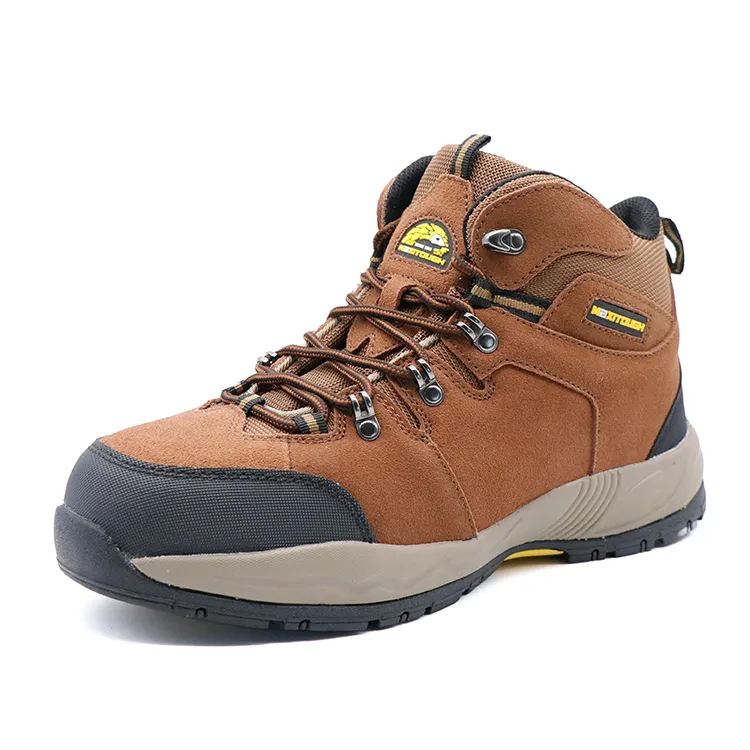
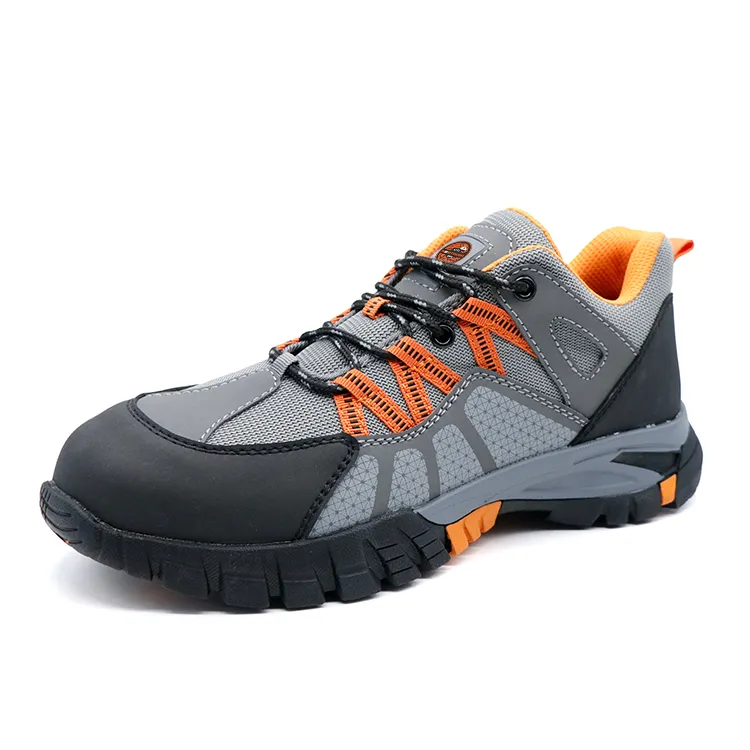
Work boots design has shifted noticeably over the past decade. The old assumption that certified work boots must look industrial or bulky no longer holds. Many modern work boots combine full safety certification with cleaner silhouettes, leather upper options, and profile designs close enough to dress boots or casual footwear to transition between the jobsite and a client meeting without standing out.
Style dimensions worth considering when selecting work boots:
- Upper material: Full-grain leather work boots are more durable and develop a better appearance over time compared to synthetic alternatives. If professional appearance matters in your workplace, leather work boots are worth the premium. For purely functional environments, synthetic work boots are lighter and often more water-resistant out of the box.
- Boot height and silhouette: Classic 6-inch work boots hit just above the ankle and remain the most versatile option—appropriate in most industries and workplace settings. 8-inch and taller work boots offer more ankle protection and a more industrial look. Low-cut work boots or 4-inch styles lean closer to casual footwear aesthetics and suit lighter-duty environments.
- Color: Black and brown remain the standard colors for most work boots used in professional and construction environments. Some industries have specific conventions—food processing facilities often require white or light-colored work boots for hygiene visibility reasons.
- Lacing systems: Traditional lacing is most common in work boots, but some designs use side-zip or pull-on systems that read as cleaner and more contemporary. These work boots also have practical advantages in high-frequency on-off environments.
Matching Work Boots to Your Industry
There is no single right choice in work boots: the right pair depends on what you are actually doing. Using one pair of work boots across all conditions simplifies procurement, but in environments with specific hazard profiles, purpose-built work boots usually deliver better results than a general-purpose option.
For construction and heavy industry, the priority is maximum protection: steel or composite toe work boots with puncture-resistant midsole, high ankle, and an SRC-rated outsole. For manufacturing or logistics environments where workers are on their feet all day, comfort factors in work boots (cushioned insoles, ergonomic midsoles, lighter overall weight) matter as much as protection ratings. For trades workers who interact with clients and also spend time in office settings, a cleaner leather work boots design in a lower-profile style is a reasonable choice, provided the protection rating still meets site requirements.
A Practical Checklist Before You Buy Work Boots
If you want a simple framework for evaluating work boots before committing:
- Identify the applicable safety standard for your market (ASTM F2413 for North America; EN ISO 20345 for Europe and international markets) and confirm your work boots meet it.
- List the specific hazards in your environment (impact, puncture, slip, electrical, temperature) and verify the work boots' protection classes cover each one.
- Check the fit: properly fitting work boots should have approximately a thumb's width of space at the toe and feel snug but not tight across the widest part of the foot. Fit affects not just comfort in work boots but also how well protective features function.
- Consider the work boots height relative to your terrain and ankle support needs.
- Within work boots that meet all the above criteria, compare aesthetics (upper material, profile, color) based on what your workplace environment actually requires.
The frame to carry forward: safety certification establishes the non-negotiable baseline for all work boots; style is where you make the choice that works for your specific context. Both matter—but in that order.
For organizations sourcing work boots at scale, the same logic applies. MaxiTough offers a product range covering safety shoes, work boots, and steel toe boots across multiple certification configurations, with customization options for buyers who need specific protection profiles, color standards, or branding requirements for their workforce.