
 EN
EN
 AR
AR BG
BG HR
HR CS
CS DA
DA NL
NL FI
FI FR
FR DE
DE EL
EL HI
HI IT
IT JA
JA KO
KO NO
NO PL
PL RO
RO RU
RU ES
ES SV
SV TL
TL ID
ID SR
SR VI
VI HU
HU MT
MT TH
TH TR
TR AF
AF MS
MS GA
GA BN
BN NE
NE
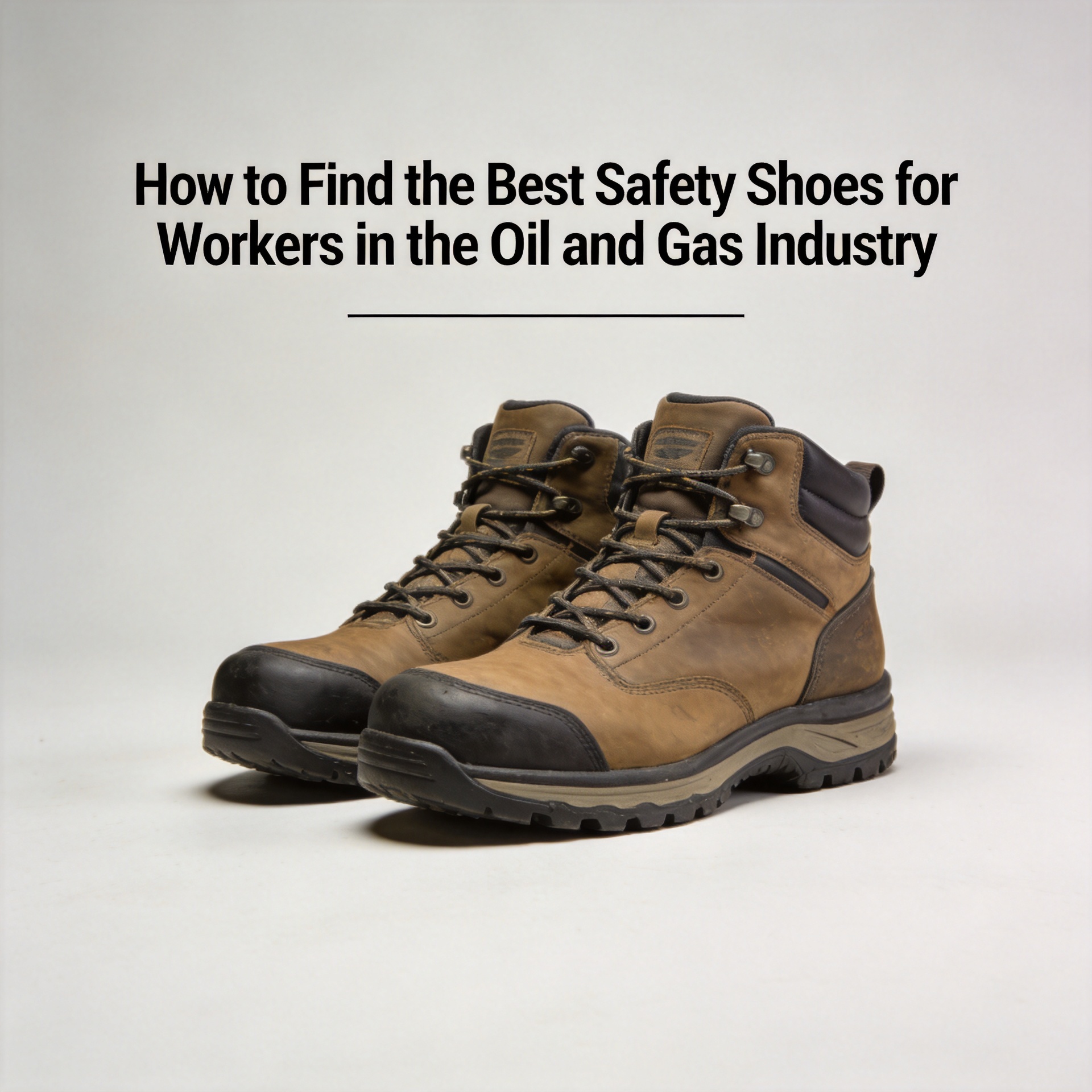
How to Choose Mens Work Boots That Withstand Heavy Impact
Picking the right mens work boots for a heavy-impact environment is not as straightforward as it might seem. Most workers reach for whatever is available on the shelf or go by brand name alone — and that approach works fine in light-duty settings. But when your worksite involves falling objects, heavy machinery, or constant pressure from dense materials, the stakes are different. The mens work boots that look tough enough may not actually be rated for the forces your feet will face day after day.
As someone who has spent years advising buyers on safety footwear selection, the pattern I see most often is this: workers start by prioritizing how light or comfortable a boot feels, and only after a near-miss or a worn-out sole do they start asking the right questions about protection ratings in their mens work boots. This guide walks through what those questions should be — before you make the purchase.
Understanding Heavy Impact Hazards in the Workplace
Not all work environments present the same risk profile. When choosing mens work boots for construction, warehousing, mining, and heavy manufacturing, the most common impact hazards you need to address include:
- Falling tools, equipment, or materials striking the toe area
- Rolling or shifting heavy loads that can trap or crush the foot
- Repeated contact with hard, abrasive surfaces that accelerate sole wear
- Unstable terrain where ankle rolls and instability add to the injury risk
In environments like these, protective specs determine whether your mens work boots actually do the job — price and appearance are secondary. Understanding the certification that backs those specs is the starting point for any serious selection process.
What "Impact-Resistant" Actually Means: The ASTM F2413 Standard
In the United States, the benchmark for mens work boots impact resistance is ASTM F2413. This standard defines how a boot's protective toe cap must perform under measured force. For heavy-impact protection, the marking to look for inside the boot is I/75 — which means the toe cap has been tested to withstand a 75 foot-pound impact without collapsing to below a safe clearance height.
Not all impact-rated mens work boots carry the same protection level, though. ASTM F2413 actually covers three tiers: 75 ft-lb, 50 ft-lb, and 30 ft-lb. For workers regularly exposed to heavy falling objects or high-pressure compression risks, only the I/75 rating provides the full standard protection level. If you are sourcing mens work boots for a construction site or heavy industrial floor, verifying the I/75 marking is non-negotiable.
European buyers should reference EN ISO 20345, where the equivalent classification covers impact energy tests at 200 joules for SB-rated boots.
Steel Toe vs. Composite Toe: Which Handles Heavy Impact Better?
This is one of the most common questions when comparing mens work boots — and one of the most misunderstood areas in work boot selection. Many buyers assume that steel automatically means stronger protection. That assumption is worth examining more carefully.
When both steel toe and composite toe mens work boots are certified to ASTM F2413 I/75, they have passed the same impact force test. The toe cap material — steel, aluminum alloy, or composite — affects other things: weight, thermal conductivity, and metal detector sensitivity. Steel caps are heavier but generally less expensive at scale. Composite caps (made from materials such as carbon fiber or Kevlar-based compounds) are lighter, do not conduct heat or cold, and pass airport-style security checks without triggering alerts.
For pure heavy-impact protection in a standard construction or manufacturing context, either material works if it carries the right certification. The decision should come down to your specific secondary requirements — not a blanket assumption that steel-toe mens work boots are automatically the safer choice.
Key Features to Evaluate in Mens Work Boots for Heavy Impact
Outsole Construction
The outsole is the part of mens work boots that comes in direct contact with your work environment — and in heavy-impact settings, that environment tends to be rough. In worksites with concrete rubble, metal shards, or coarse aggregate underfoot, even a well-made outsole can wear faster than expected. From actual field observation, outsole wear on heavy construction and demolition sites tends to accelerate significantly compared to standard indoor manufacturing environments, especially where workers frequently step on sharp debris or friction-heavy surfaces.
Choose mens work boots with oil-resistant and abrasion-resistant rubber outsoles. Check whether the boot carries an SRC slip-resistance rating if your site involves wet or oily surfaces alongside impact hazards. A boot that provides toe protection but fails on traction is an incomplete solution for most heavy-impact work environments.
Ankle Support and Boot Height
In environments where heavy objects or equipment may shift unexpectedly, ankle stability is closely connected to overall injury prevention. Quality mens work boots with a 6-inch or 8-inch shaft height add lateral support and reduce the risk of ankle rolls on uneven terrain. This matters more in outdoor construction and mining contexts than in flat indoor manufacturing settings — so if your primary concern is stability on rough ground, higher shaft options are worth the trade-off in flexibility.
Metatarsal Protection
The metatarsal bones — the five long bones running along the top of the foot — are vulnerable to heavy side-impact compression from large rolling objects. Standard safety toe protection in mens work boots covers only the toe area. If workers handle heavy materials like steel beams, stone blocks, or large pipe sections, look for boots that offer metatarsal guard protection (marked M/75 under ASTM F2413). This feature is particularly relevant in mining, steel fabrication, and heavy material handling roles.
Lining and Moisture Management
Long shifts in demanding conditions place additional strain on the foot environment inside the boot. Moisture-wicking or breathable lining materials reduce fatigue buildup that can compromise posture and stability — both of which indirectly affect impact exposure. If your work environment also involves exposure to water, heat, or extreme cold, factor in waterproofing, insulation, or heat-resistant lining requirements as well.
Practical Selection Checklist for Heavy Impact Environments
- Confirm the ASTM F2413 I/75 rating (or EN ISO 20345 for EU markets) — this is the baseline requirement for heavy impact mens work boots.
- Assess toe cap material based on secondary needs: weight tolerance, thermal performance, and jobsite security requirements.
- Check outsole compound and rating for abrasion resistance and slip protection relevant to your specific floor surface.
- Evaluate shaft height relative to terrain stability and ankle support needs.
- Consider metatarsal protection for roles involving large, heavy rolling or falling loads beyond the standard toe impact zone.
- Match lining specifications to temperature, moisture, and shift-duration conditions.
Why Sourcing Certified Boots from a Specialist Manufacturer Matters
When selecting mens work boots for a team or worksite, the reliability of the certification claims behind the product is just as important as the specs themselves. A reputable manufacturer — one focused specifically on safety footwear rather than general footwear — can provide verifiable test reports, clearly marked certifications, and consistent batch-to-batch quality control. This becomes especially relevant when you are configuring mens work boots to specific protection levels, industries, or target markets with distinct certification requirements.
Companies specializing in work boots and safety shoes, including those offering customization options across toe cap types, outsole compounds, and protection ratings, are generally better positioned to match a specific heavy-impact profile than general-purpose manufacturers. If your procurement involves multiple work environments with different hazard profiles, a supplier that can configure protection combinations — rather than offering only a fixed catalog — reduces the friction of meeting varied compliance requirements from a single source.
Final Thoughts
The right mens work boots for heavy impact are not necessarily the heaviest, the most expensive, or the most recognized by brand name. They are the ones whose certified protection ratings match the actual hazard profile of your workplace — and whose construction quality holds up through the real conditions of that environment. Starting with the I/75 impact standard, then working through toe material, outsole performance, and any secondary hazards specific to your site, gives you a structured basis for choosing mens work boots with confidence rather than guesswork.