EN
EN
 AR
AR BG
BG HR
HR CS
CS DA
DA NL
NL FI
FI FR
FR DE
DE EL
EL HI
HI IT
IT JA
JA KO
KO NO
NO PL
PL RO
RO RU
RU ES
ES SV
SV TL
TL ID
ID SR
SR VI
VI HU
HU MT
MT TH
TH TR
TR AF
AF MS
MS GA
GA BN
BN NE
NE
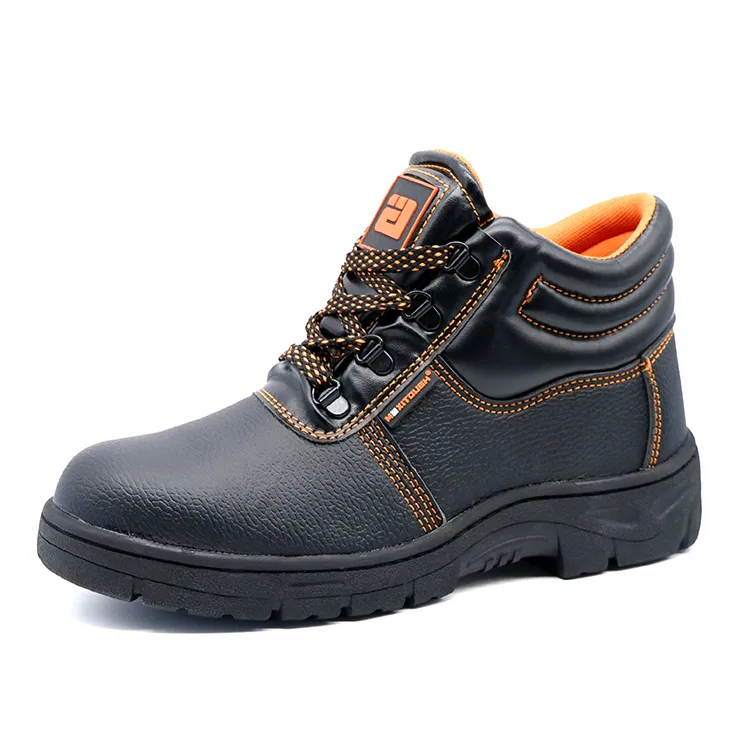
What Makes Waterproof Work Boots Suitable for Landscaping Work
If you spend your days managing irrigation systems, clearing wet mulch beds, or trimming hedges on a dewy morning, you already know what most gear guides won't tell you: not every pair labeled "waterproof" actually holds up in real landscaping conditions. As someone who evaluates work footwear for outdoor environments, I find that the gap between what a boot claims and what it delivers is most visible in jobs like landscaping — where wet conditions are constant, not occasional.
Finding the best waterproof work boots for landscaping means looking past the label and into the engineering. The boots that perform are built with the right combination of features to handle sustained moisture, uneven terrain, and chemical exposure throughout a full workday. Here is what separates the best waterproof work boots from ones that fall short in the field.
Why Landscaping Demands More from a Work Boot
Landscaping work creates challenges that most general work boots are not specifically designed to address. A typical workday might start with walking through grass saturated with morning dew, progress to edging along wet concrete borders, and end with digging in soft, water-laden soil. The feet face sustained moisture exposure throughout the day — not just a brief splash, but hours of contact with wet materials.
Beyond water, landscapers regularly work around fertilizers, herbicides, and pesticides. These chemicals can degrade boot materials that were not formulated to resist them. Add to that the uneven terrain — slopes, raised beds, root systems, and compacted mulch — and ankle stability becomes just as important as waterproofing. The best waterproof work boots for this environment need to address all of these factors together.
From actual field experience, landscapers in wet regions report that boots promising "waterproof" performance frequently fail within the first two to three months if the waterproof system is not built to handle continuous use. The right pair of best waterproof work boots must perform every day, not just in a controlled test chamber.
The Core Features That Define the Best Waterproof Work Boots for Landscaping
1. Reliable Waterproof Membrane Technology
The best waterproof work boots use a sealed membrane system, positioned between the upper material and the interior lining, that physically blocks water from reaching the foot. Boots marketed as "water-resistant" rely on surface-level treatments that wash out over time and do not provide the same sustained protection in landscaping conditions.
In wet outdoor work, where contact with grass, soil, and standing water is near-constant, only a proper sealed membrane delivers consistent dryness. The waterproof label on a boot typically reflects performance under controlled test conditions. Choosing best waterproof work boots with deeper, more reinforced sealing extends effective protection meaningfully for daily landscaping use.
2. Slip-Resistant Outsole Engineered for Outdoor Surfaces
Wet grass is a different surface challenge than oily concrete or smooth tile. The best waterproof work boots for landscaping need an outsole with directional lug patterns that channel water away from the contact area and maintain grip on soft, uneven, or slick natural surfaces.
In wet grass and loose soil, an outsole with deep, multidirectional treads performs noticeably better than a flat or lightly textured sole. If the boot has slip resistance certification, confirm the rating was tested on outdoor surfaces — not just wet ceramic or steel. The distinction matters in real landscaping environments.
3. Ankle Support and Terrain Stability
Landscaping work rarely happens on flat, predictable surfaces. Raised planting beds, uneven turf edges, and sloped areas require the ankle to absorb lateral forces that flat paving does not generate. The best waterproof work boots for this work offer a mid- to high-cut design that provides structural support, reduces fatigue, and lowers ankle rollover risk on uneven ground.
If your work is mostly on flat ground — mowing, blowing debris, or operating machinery — ankle height matters less. But for digging, working on grades, or carrying loads across uneven terrain, the higher cut genuinely improves stability across an eight-hour shift.
4. Chemical and Abrasion Resistance in the Upper Material
Leather uppers with protective coatings and synthetic materials rated for chemical exposure hold up better in environments where fertilizer runoff, herbicide spray, or irrigation additives contact the boot surface. Landscapers in commercial grounds maintenance benefit from confirming that the boot's upper material is not prone to rapid degradation from these substances.
The outsole material is equally relevant. Rubber compounds vary in resistance to common landscaping chemicals; a sole that softens or cracks under regular exposure creates a durability problem even if the waterproof system remains intact. The best waterproof work boots specify materials in enough detail to evaluate chemical resistance before purchase.
5. Breathability That Matches Physical Work Intensity
This trade-off is easy to overlook when selecting the best waterproof work boots. Waterproof membranes, by design, restrict airflow. In physically demanding landscaping jobs — carrying equipment, pushing mowers, loading materials — foot temperature rises quickly. A boot lacking moisture-wicking lining will leave feet damp from perspiration even if no external water penetrated.
In warmer seasons or high-exertion landscaping roles, best waterproof work boots that pair their waterproof membrane with a breathable interior lining provide noticeably more comfort over a full workday. The practical test: if your feet are wet from the inside after a shift rather than external water, the boot's breathability is undersized for your work intensity.
6. Structural Durability for Daily Outdoor Use
Landscaping work creates high repetitive stress on footwear: constant flexing, impact from digging tools, abrasion from rough terrain, and UV exposure. The outsole bonding, stitching quality, and reinforced toe box all determine how long the boot remains functional in daily outdoor use.
A durable pair of best waterproof work boots built with consistent quality construction (reliable seam sealing, abrasion-resistant outsole bonding, and reinforced stress points) extends usable life significantly compared to a boot that degrades within a season. For landscaping teams equipping multiple workers, this durability directly affects total replacement cost.
What to Evaluate Before Choosing Waterproof Work Boots for Landscaping
When comparing options, the following questions help identify the best waterproof work boots for landscaping work:
- Is the waterproofing a sealed membrane or just a surface treatment? Surface treatments do not hold up in sustained landscaping conditions.
- Is the outsole tread designed for natural outdoor surfaces? Confirm it performs on wet grass and soft soil, not only on industrial floors.
- Does the ankle height match your terrain? Higher cut for uneven ground; lower profile if flat surfaces dominate your work.
- How does the interior manage perspiration? Look for moisture-wicking lining if your work is physically intense.
- What is the upper material's resistance to chemical exposure? Relevant if you regularly work around fertilizers, herbicides, or pesticides.
- What do construction quality indicators suggest? Check seam sealing and sole bonding — these are the first points of failure.
Sourcing the Best Waterproof Work Boots for Landscaping Teams
For landscaping businesses outfitting crews, consistency across a workforce matters as much as individual fit. Boots with genuine waterproof membranes, outdoor-appropriate slip resistance, chemical-resistant materials, and durable construction — and available at the scale your team requires — represent the best waterproof work boots choice for professional operations.
MaxiTough specializes in customized work footwear for professional teams across outdoor and industrial environments. If your landscaping crew needs waterproof work boots meeting specific performance requirements with consistent sizing across a larger order, contact us at [email protected] to discuss your requirements.
Final Thoughts
The best waterproof work boots for landscaping work are defined not by price or brand name, but by how well their design aligns with actual job demands. Wet grass, uneven terrain, chemical exposure, and long daily hours are the reality. Boots built with a reliable waterproof membrane, outdoor-grade slip resistance, appropriate ankle support, and durable construction are the ones that hold up.
If the waterproof label on a boot reflects only a test chamber result and not continuous outdoor performance, it will fail where landscaping work happens. Choose best waterproof work boots whose features are matched to the environment, and the difference in performance and worker comfort will be measurable.