EN
EN
 AR
AR BG
BG HR
HR CS
CS DA
DA NL
NL FI
FI FR
FR DE
DE EL
EL HI
HI IT
IT JA
JA KO
KO NO
NO PL
PL RO
RO RU
RU ES
ES SV
SV TL
TL ID
ID SR
SR VI
VI HU
HU MT
MT TH
TH TR
TR AF
AF MS
MS GA
GA BN
BN NE
NE
What Makes Mens Work Shoes Suitable for Workers in Electronics Factories
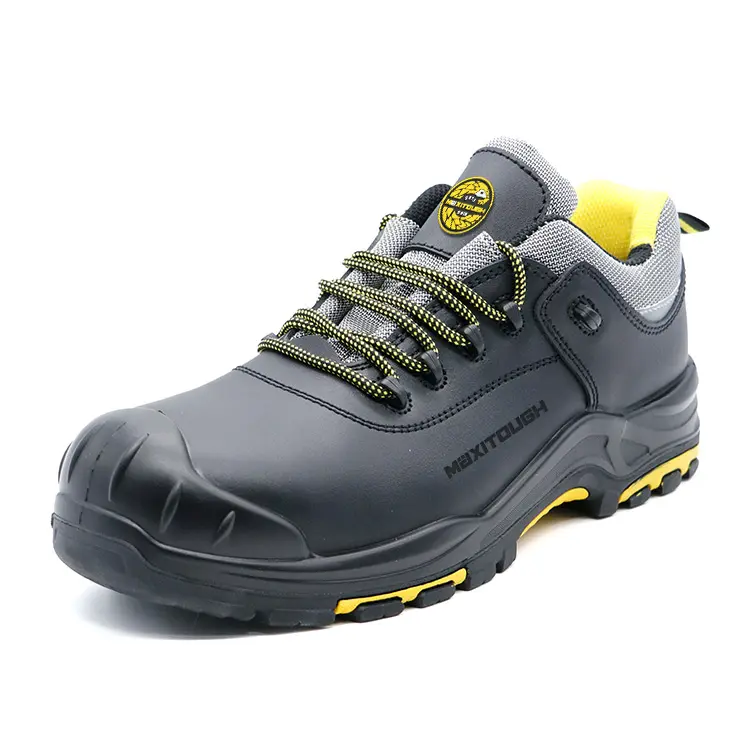
As an occupational health and safety consultant, I've seen how often footwear decisions get made based on appearance or price alone — until a static discharge incident or a long-shift fatigue complaint forces a rethink. In electronics manufacturing environments, mens work shoes need to pass a very specific set of technical tests to be genuinely suitable. The rules are different here than in a construction site or warehouse.
Electronics factories introduce a hazard profile that isn't visible to the naked eye: electrostatic discharge. Combine that with hard concrete floors, long standing shifts, and the precision demands of assembly work, and you quickly realize that general-purpose mens work shoes may not be the right answer. Here's a breakdown of what actually makes a pair of mens work shoes appropriate for electronics factory workers, including the details that get overlooked in general procurement guides.
Anti-Static and ESD Protection: The Non-Negotiable Starting Point
Electronics factories produce or assemble components that can be permanently damaged or quietly degraded by electrostatic discharge. A single discharge event in a sensitive zone can permanently destroy microchips, circuit boards, or sensors — often without leaving a visible mark. The most essential requirement for mens work shoes in this environment is verified anti-static or ESD (electrostatic discharge dissipative) performance.
There's an important distinction between the two. Anti-static footwear per EN ISO 20345 is designed to limit the build-up of static electricity on the wearer's body. The standard requires electrical resistance between 100 megaohms and 1,000 megaohms. ESD-rated footwear takes this further: it meets both DIN EN 61340-5-1 and DIN EN 61340-4-3, maintaining resistance between 100 kilohms and 100 megaohms. In facilities that follow ANSI/ESD S20.20, footwear must bring the combined resistance of the worker and flooring system below 1 billion ohms.
For most electronics factories — especially those handling semiconductors, PCBs, or precision sensor assemblies — ESD-rated mens work shoes are the appropriate choice. Anti-static alone may be sufficient in lower-sensitivity environments, but a qualified OHS review should determine which tier applies. What matters is that the shoes carry the right certification, not just a generic safety label.
Composite Toe Over Steel Toe: A Practical Advantage in Electronics Environments
Many electronics factories require toe protection, particularly in areas where heavy equipment, tool carts, or components are moved. The instinct is often to default to steel toe mens work shoes. In this specific environment, however, composite toe construction has meaningful advantages.
Composite materials, including fiberglass, carbon fiber, and Kevlar reinforcement, offer the same protection level as steel (meeting ASTM F2413 or EN ISO 20345 impact and compression standards) while being 30 to 50 percent lighter. In electronics manufacturing, workers stand for extended shifts and handle precise components. That weight reduction matters: lighter shoes reduce cumulative fatigue and keep workers more focused throughout the shift.
There's also a functional consideration: steel toes conduct electricity and can interfere with ESD control programs. A composite toe, being non-metallic, won't disrupt the anti-static or ESD protection built into the shoe system. When selecting mens work shoes for electronics factory workers, composite toe construction is typically the stronger choice, both for shift-long comfort and for full compatibility with the facility's ESD protocols.
Slip-Resistant Outsoles for Clean Factory Floors
Electronics factory floors are often smooth, polished concrete or epoxy-coated surfaces. Unlike oily or wet environments in food processing or chemical plants, the hazard here is a different kind of slip risk: hard, low-friction surfaces where smooth outsoles provide almost no grip.
Mens work shoes selected for electronics environments should feature outsoles rated SRC or at least SRB under EN ISO 20345, meaning they've been tested on both ceramic tile with detergent solution and steel with glycerol. For ESD-rated shoes, the outsole material must also support electrical dissipation — not all slip-resistant rubber compounds do this effectively, so the ESD rating of the complete shoe (sole included) needs to be confirmed, not assumed.
A non-marking outsole is often a facility requirement as well. Cleanroom-adjacent or cleanroom-entry areas may have strict rules about material shedding, so a clean, low-debris sole compound protects both the worker and the manufacturing environment.
Anti-Fatigue Support for Long Standing Shifts
Electronics assembly lines typically involve extended standing, often eight to twelve hours, often on hard surfaces. This puts sustained pressure on the feet, legs, and lower back. Workers who experience discomfort often unconsciously adopt poor posture to compensate, which compounds fatigue and reduces concentration at precisely the moments when precision handling matters most.
Mens work shoes designed for electronics environments should include engineered midsole support: either a dual-density PU (polyurethane) construction or a dedicated anti-fatigue insert. The goal is to absorb impact energy with each step while maintaining a stable base. A well-supported arch and heel cup reduces strain on the plantar fascia and Achilles tendon during prolonged standing.
Workers who previously dismissed footwear as a performance variable often notice a direct difference in their energy levels and focus when transitioning from inadequate mens work shoes to properly engineered options. The upgrade isn't cosmetic — it reflects directly in productivity metrics and end-of-shift comfort feedback.
Breathability and Fit: Supporting Compliance
A safety feature is only effective if workers actually wear the footwear. In electronics factories, where temperature-controlled environments reduce natural ventilation, breathability becomes a compliance driver. Mens work shoes with mesh or microfiber uppers (where the material is confirmed compatible with ESD requirements) help regulate internal temperature and moisture.
Fit matters as much as specification. A shoe that meets every technical standard but causes discomfort due to an ill-fitting last will be resisted by workers and worn incorrectly. When procuring mens work shoes for a workforce, a size audit that collects actual foot measurements rather than relying on self-reported sizes is worth the effort. Proper fit reduces the friction between mandated PPE and worker willingness to comply.
What to Confirm Before Specifying Mens Work Shoes for Your Electronics Facility
Before finalizing a procurement decision, walk through this practical checklist:
- ESD or anti-static certification: Confirm the resistance range matches your facility's control plan — anti-static per EN ISO 20345 or ESD per DIN EN 61340-5-1, whichever applies.
- Toe protection standard: ASTM F2413 or EN ISO 20345 impact/compression rating; composite toe preferred for ESD compatibility and weight.
- Outsole ESD compliance: The entire shoe, including sole, must meet the resistance specification — confirm the test was done on the complete unit, not just the upper or midsole.
- Slip resistance rating: SRC rating for smooth factory floors; confirm with your floor material and any cleaning products used.
- Non-marking sole: Required for cleanroom-adjacent or epoxy-floored areas.
- Anti-fatigue midsole: Dual-density PU or equivalent for shifts over eight hours on hard surfaces.
- Breathable upper compatible with ESD: Microfiber or treated mesh, not untreated leather that may affect static dissipation.
Electronics factories have specific and non-negotiable requirements for footwear that general mens work shoes categories don't consistently address. The combination of ESD protection, composite toe construction, anti-fatigue engineering, and slip-resistant outsoles defines a genuinely suitable shoe for this environment — not just a shoe that looks industrial.
At MaxiTough, we work with procurement teams and safety managers to configure mens work shoes that meet the technical demands of electronics manufacturing environments, from ESD certification to custom fit and finish. If you're reviewing your facility's current footwear specification, we're available to support that assessment.