EN
EN
 AR
AR BG
BG HR
HR CS
CS DA
DA NL
NL FI
FI FR
FR DE
DE EL
EL HI
HI IT
IT JA
JA KO
KO NO
NO PL
PL RO
RO RU
RU ES
ES SV
SV TL
TL ID
ID SR
SR VI
VI HU
HU MT
MT TH
TH TR
TR AF
AF MS
MS GA
GA BN
BN NE
NE![Puncture-Resistant Safety Shoes for Manufacturing [2024 Guide]](https://shopcdnalpha.grainajz.com/category/363943/2069/66d6c4dc4a491fff933e9323029e8783/news.jpg)
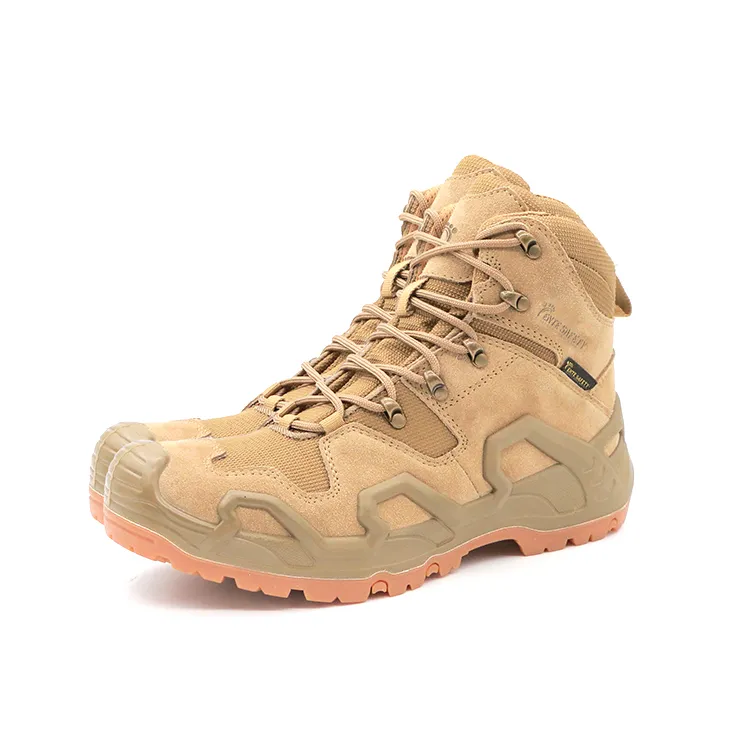
What Makes Safety Shoes Resistant to Sharp Objects in Manufacturing
When safety managers evaluate safety shoes for manufacturing facilities, the conversation often starts with toe protection — and stops there. That instinct is reasonable, but it misses a separate and equally critical risk: sharp objects on the floor. Nails, metal shavings, broken glass, wire fragments, and sheet-metal scraps are routine hazards in most production environments. Safety shoes that stop a falling weight but allow nail penetration through the sole are only doing half the job they're meant to do.
As a safety footwear selection consultant, I've seen procurement decisions go wrong precisely because buyers focused on visible, external features while overlooking the structural elements responsible for puncture protection. Understanding what actually makes safety shoes resistant to sharp objects helps procurement teams ask better questions when evaluating suppliers and product specifications.
The Puncture-Resistant Midsole: The Core Protective Layer
The most important component for sharp-object resistance in safety shoes is the midsole — the layer positioned between the outsole (which contacts the ground) and the insole (which the foot rests on). In standard footwear, this layer is simply cushioning foam. In puncture-resistant safety shoes, it's a rigid protective barrier designed to stop penetration before it reaches the foot.
Historically, steel midsoles dominated this category of safety shoes. A thin steel plate running the length of the foot creates a physical barrier that nails and sharp debris cannot penetrate. Steel midsoles remain effective and cost-efficient for many manufacturing applications. However, composite midsoles — made from materials such as Kevlar, fiberglass-reinforced polymers, or other aramid fiber composites — have become increasingly common in modern safety shoes. These alternatives match steel's protection level while reducing overall shoe weight and, in environments where metal detection equipment is used, eliminating false positives on production lines or at security checkpoints.
The choice between steel and composite midsoles in safety shoes is not about which is stronger in absolute terms — a well-made composite midsole at the correct certification level performs equivalently to steel under the same test conditions. The real question is which material better fits your specific manufacturing environment and the daily demands placed on workers wearing those safety shoes.
Upper Materials and Surface Cut Resistance
While the midsole handles underfoot penetration, the upper material of safety shoes determines resistance to side impacts, abrasion, and cuts from sharp materials that workers encounter at height. Full-grain leather uppers remain a strong standard for manufacturing environments because the dense fiber structure resists cuts and abrasion better than most synthetic alternatives. Leather also conforms to the foot over time, which supports compliance — workers who are comfortable in their safety shoes actually wear them consistently.
Composite or reinforced synthetic uppers have improved significantly in recent years. High-density polyurethane and reinforced nubuck materials offer comparable cut resistance in lighter-weight packages. When evaluating uppers on safety shoes for manufacturing use, look for designs that avoid loose seams or unprotected stitching at the toe and forefoot areas — these are the zones most likely to encounter sharp debris during normal work activity.
How Standards Define Sharp-Object Protection
The protective performance of safety shoes for sharp-object resistance is not a marketing claim — it's defined by certifiable, testable standards. Two certification frameworks cover most global manufacturing buyers sourcing safety shoes.
ASTM F2413 (North America): The Puncture Resistant (PR) designation under this standard requires that the midsole of safety shoes withstand a penetration force of 270 lbs. (approximately 1,200 newtons). The midsole must also remain structurally intact — it cannot crack after 1.5 million flex cycles — and must resist corrosion when exposed to a 5% salt solution for 24 hours. This combination of strength and durability requirements reflects real manufacturing conditions where safety shoes flex continuously and may be exposed to liquids on the production floor.
EN ISO 20345 (Europe and international markets): This standard introduces a coding system indicating which protective features a safety shoe includes. For sharp-object resistance, the relevant codes are SBP (a midsole plate providing penetration protection), S1P (base S1 requirements plus midsole penetration protection), S3 (adds water penetration resistance and midsole protection to S2), and S5 (S4 features with midsole penetration resistance). When sourcing safety shoes for export markets or facilities that reference EN standards, these letter codes on the certification label indicate whether penetration protection is included in the certified configuration.
A common procurement oversight is selecting safety shoes based on a certification name without confirming that puncture resistance is part of the tested configuration. Not every certified safety shoe carries puncture-resistant midsole protection. Be sure to verify the specific codes or designations rather than assuming general certification covers all hazard types.
Selecting the Right Protection Level for Your Environment
Puncture protection requirements are not uniform across manufacturing settings. If your production floor has controlled surfaces, limited scrap presence, and regular cleaning cycles, a basic certified safety shoe with a standard midsole may satisfy your risk assessment. In fabrication, stamping, sheet metal, construction materials, or waste-adjacent environments — where sharp debris accumulates regularly — formally certified puncture-resistant safety shoes should be a non-negotiable procurement requirement.
Consider also the interaction between midsole stiffness and fatigue in safety shoes. A rigid steel midsole reduces flexibility, which can increase foot and leg fatigue for workers who stand or walk for extended periods. Composite midsoles typically allow more flex while maintaining protection, which matters for roles requiring continuous movement. In high-debris environments where workers are relatively stationary, a steel midsole is entirely practical. In dynamic assembly or inspection roles, the flexibility advantage of composite-midsole safety shoes may justify the higher unit cost.
What Buyers Often Overlook
From a practical selection standpoint, the most common gap I encounter is confusing the appearance of a well-built safety shoe with verified puncture protection. A thick outsole, reinforced stitching, and a serious visual profile do not indicate that the midsole of those safety shoes meets puncture-resistance standards. Until a procurement team reviews specific test results and certification documentation, coverage should not be assumed.
One aspect that tends to get overlooked: midsole performance in safety shoes degrades with wear. A pair of safety shoes that met ASTM PR requirements on day one may not maintain that performance after 12 months of heavy use on abrasive concrete floors. Establishing a replacement cycle based on actual usage intensity — rather than a fixed calendar date — reduces the gap between what workers believe they're protected against and what their safety shoes can actually deliver.
At MaxiTough, we design safety shoes with the specific protection requirements of industrial buyers in mind. Our manufacturing team maintains clear material specifications for each protective component, and certifications are kept current to the applicable standard versions in target markets. For buyers sourcing safety shoes for manufacturing environments with sharp-object exposure, we're equipped to advise on the appropriate midsole configuration, upper material, and certification pathway for your requirements. Contact our team to discuss your specific deployment conditions.