EN
EN
 AR
AR BG
BG HR
HR CS
CS DA
DA NL
NL FI
FI FR
FR DE
DE EL
EL HI
HI IT
IT JA
JA KO
KO NO
NO PL
PL RO
RO RU
RU ES
ES SV
SV TL
TL ID
ID SR
SR VI
VI HU
HU MT
MT TH
TH TR
TR AF
AF MS
MS GA
GA BN
BN NE
NE
29/08/2026
What Materials Are Used in High-Quality Welding Shoes
The Critical Importance of Material Selection in Heavy Industrial Welding Environments
Welding in demanding industrial sectors presents extraordinary challenges, including intense radiant heat, open flames, rapid molten metal spatter, and severe impact risks across modern manufacturing facilities operating around the clock. Choosing standard industrial footwear in these high-risk environments often leads to catastrophic failure, severe skin burns, and chronic foot injuries on the shop floor during busy production cycles. Drawing from hands-on shop floor consulting and heavy industry supply chain evaluations, professional welders require specialized footwear engineered from rigorous metallurgical, textile, and polymer sciences. Understanding these exact material specifications empowers safety directors and plant procurement managers to make intelligent purchasing decisions that slash accident rates and boost long-term operational efficiency. Furthermore, modern manufacturing facilities demand footwear that adapts seamlessly to varying environmental conditions, ensuring that workers remain comfortable and protected during prolonged, high-intensity shifts without experiencing premature fatigue or structural boot breakdown.
Flame-Resistant Full-Grain Leathers and Specialized Tannage Technologies
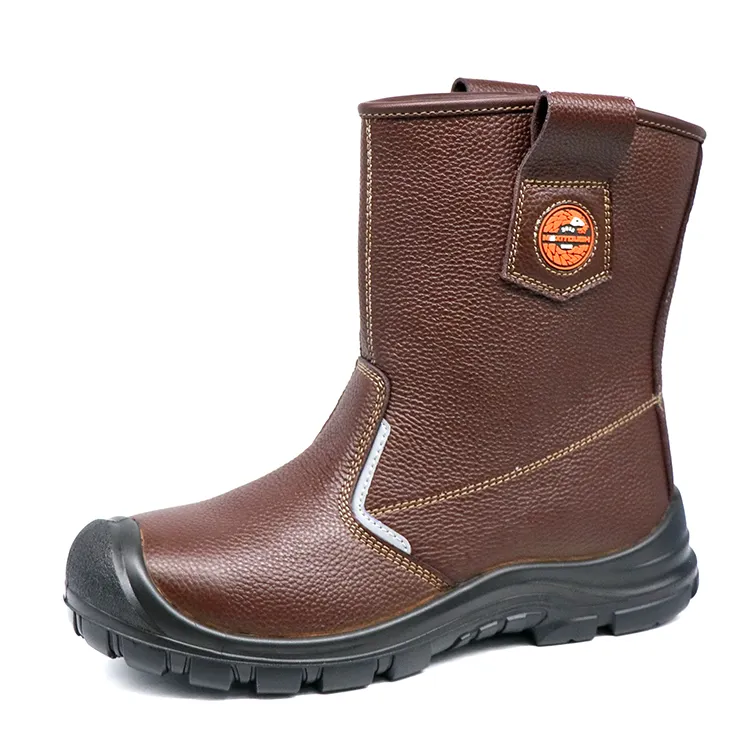
The primary barrier against extreme thermal hazards starts with the upper construction, which must endure direct contact with flying slag without shrinking, cracking, or catching fire under intense operational pressure in harsh environments. Unlike standard leather used in regular work boots, high-performance welding shoes utilize heavy full-grain bovine leather subjected to advanced chrome-tanning and refractory chemical treatments. According to international safety equipment research and metallurgical guidelines, top-tier treated leather maintains its structural tensile strength and flexibility even after prolonged exposure to radiant heat exceeding three hundred degrees Celsius. Furthermore, this specialized tannage actively repels welding sparks, preventing hot metal droplets from adhering to the surface or melting through to the wearer's feet. Verifying these tanning certifications remains an absolute priority for procurement teams seeking true frontline protection before finalizing large-scale enterprise supply contracts.
Heat-Resistant Stitching Materials and Kevlar Thread Integration
A frequently ignored vulnerability in heavy-duty industrial footwear is the thread utilized to bind the upper structure and outsole together under high mechanical stress during strenuous work shifts in fabrication plants. Traditional nylon or polyester stitching threads rapidly melt, degrade, or snap when subjected to continuous radiant heat or flying sparks, causing boot seams to burst wide open prematurely. To completely eliminate this critical point of failure, premier manufacturers exclusively integrate multi-ply, high-tensile Kevlar or heat-resistant aramid threads across every structural seam. During rigorous facility audits and destructive field testing trials, boots constructed with specialized Kevlar stitching demonstrate absolute seam integrity under extreme thermal pressure. This meticulous focus on microscopic construction details ensures that the entire protective assembly stays unified during grueling fabrication shifts, providing peace of mind to safety inspectors and plant managers.
Advanced Outsole Compounds, Nitrile Rubber, and Heat Deflection
The bottom foundation of a welding shoe carries the vital responsibility of delivering exceptional slip resistance on oily shop floors while providing extreme thermal and electrical insulation during daily operations in heavy industries. Top-tier welding footwear incorporates specialized vulcanized rubber or heavy-duty nitrile rubber compounds engineered to withstand contact temperatures up to three hundred degrees Celsius without melting, warping, or degrading. Additionally, these advanced outsoles feature specialized tread geometries designed to channel away liquids and prevent electrical conductivity in full alignment with strict ASTM F2413 electrical hazard safety benchmarks. Integrating a puncture-resistant steel or composite midsole further protects workers against sharp metal scraps, slag, and heavy debris commonly found in fabrication yards. Careful evaluation of these specific outsole properties guarantees superior durability and exceptional wearer safety across diverse working conditions.
The Strategic Business Value of Partnering with Specialized Manufacturers
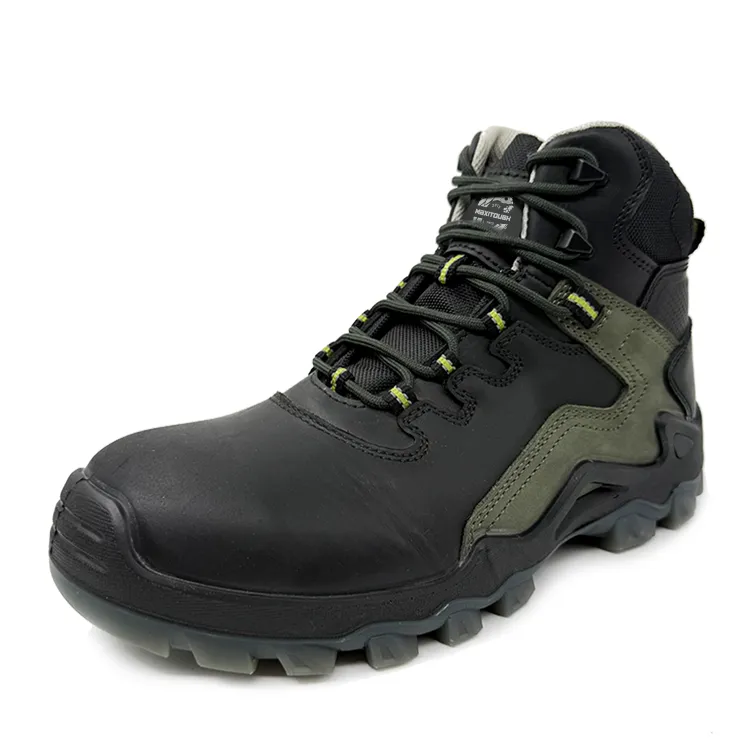
Procuring top-tier protective footwear requires collaborating with an established manufacturing partner that exercises absolute control over raw material sourcing, chemical laboratory testing, and precision production lines. MaxiTough leverages decades of direct manufacturing expertise and ISO-certified production lines to deliver advanced welding shoes that consistently surpass global safety compliance benchmarks. By strictly regulating every stage of production—from selecting certified flame-retardant leathers to executing rigorous batch-testing regimes—MaxiTough provides scalable, dependable safety footwear solutions tailored to the world's most demanding industrial environments. Choosing an established industry leader like MaxiTough reinforces corporate commitments to workplace safety, supply chain transparency, and enduring operational excellence, ensuring workforces stay fully protected across all shifts.