EN
EN
 AR
AR BG
BG HR
HR CS
CS DA
DA NL
NL FI
FI FR
FR DE
DE EL
EL HI
HI IT
IT JA
JA KO
KO NO
NO PL
PL RO
RO RU
RU ES
ES SV
SV TL
TL ID
ID SR
SR VI
VI HU
HU MT
MT TH
TH TR
TR AF
AF MS
MS GA
GA BN
BN NE
NE
02/12/2025
How to Identify High-Quality Slip On Safety Boots from Low-Quality Ones
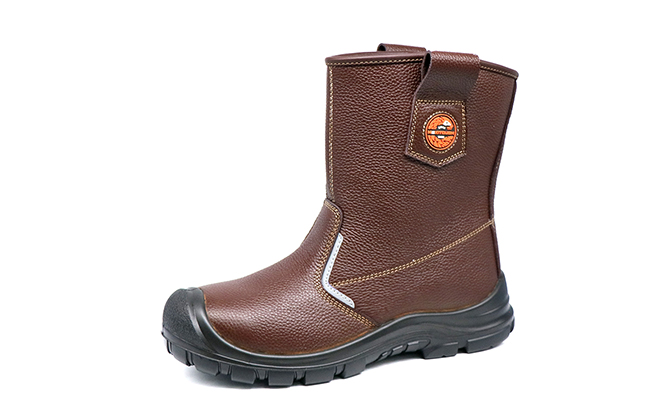
Wearing the right shoes makes a huge difference when you're on the job. Having the right shoes makes the difference between comfort and pain. Finding the right shoes can even affect whether or not you are safe from injury. Slip on safety boots are easy to wear and look good. The bad part is that most boots are not good quality and are unsafe. We will focus on the best quality slip on safety boots and how they differ from the rest on the market.
Check the Quality of the Construction and Components
The boots you buy should have the right kind of construction and component materials. The best slip on safety boots are made of full grain leather and/or synthetic materials. Quality materials will always feel heavy and durable, not thin and paper-like. Inspect the stitching. It should be tight and consistent across the surface of the leather without any skipped stitches, unevenness, or loose threads. If you notice any glue seepage around the sole of the boots, that is a sign of lower-quality construction. Quality boots will have cementing and stitching construction, also known as welted construction, in combination for a durable, long-lasting sole. Check the boot lining. Less expensive boots are made with thin, non-breathable fabrics that will deteriorate with moisture, while better quality boots will feature a more expensive moisture-absorbing fabric for padding the lining for comfort throughout the day. Quality boots are also heavier; flimsy, cheap boots don't have the same structural integrity of well-made boots.
Examine Safety Features Beyond Basic Claims
Anyone can stamp a safety toe cap symbol on a box, however, true protection is in the details. Authentic slip on safety boots that incorporate safety toes and are certified slip on safety boots. Safety toes are made out of steel and aluminum, meet and exceed the safety criteria, and are ASTM and ISO certified. All safety certifications should be documented clearly inside the boots. In addition to the toe, the sole should be slip resistant. Quality safety boots are made of rubber and polyurethane soles which are resistant to more grease and made for oily or wet surfaces. Superior boots also include Kevlar and steel puncture resistant midsoles which can be a must for industrial and construction work. Better boots have protection against electrical hazards and that is a secondary safety feature. Low quality boots may claim to have some of the listed features but often use substandard materials or construction that greatly compromises their effectiveness when needed the most.
Comfort and Support
If you can't wear the boots on the job for a complete shift, then there's no point in having safety boots that are designed for work. The comfort engineering in a safety boot is what makes the boot unique. Quality slip-on safety boots are made to fit the foot with comfort technology. Quality features to look for are contoured footbeds that have arch support, cushioned toe and heel collars, and a padded tongue. These features help to manage and distribute the body weight. Many premium boots feature removeable, anti fatigue insoles to help combat fatigue, and offer custom support and cushioning. The boot should have good flex and provide enough movement at the ankle and forefoot to remain stable. Breathability keeps the foot comfortable and is a factor cheap boots often skimp on. Quality boots have breathable linings to evaporate moisture otherwise trapped and will keep the foot comfortable and dry. A good boot will bend with the foot, and not be stiff in areas where the foot needs to flex.
Assess Quality, Longevity, and Brand Reputation
At first glance, the price of products can be deceiving. A safety boot slip-on might be cheaper than others; however, they won't last an extended period of time and will need to be replaced often. Quality safety boots are an investment, as they are built to last under the daily rigors of the job. Research the boots you are considering, and analyze the value from a cost per wear perspective. Check the reputation of the manufacturer. They will cost a little more; however,safety shoescompanies that have been around for a while,companies like Maxitough have a dedicated team that focuses on producing high-quality safety shoes. These companies also offer more extensive warranties than the cheaper brands, as they are confident in their products. They have invested the time and money and are proud of their work. Reviews from others within your industry are invaluable. Detailing real life use of the boots over time is far more reliable than any marketing. Finally, consider the fit. Quality brands will have more size and width options because they understand that fit is not a cosmetic issue, it's a safety issue. A detailed size guide and support is also a strong indication that the company genuinely cares about their customers and the effectiveness of their product.
Picking out the right pair of slip-on safety boots matters immensely to everyday look feel and long-term safety. Furthermore, ignoring surface styled, and marketing misleading, jumps to the misleading skepticism level. Safety boot protective certifications, comfort engineering, and value attributes go a long way to protective boots safety and long-term utility vs. the liability of disreputable boot manufacturers. Boots protect your feet. It's an investment to your overall health and maintaining longevity. Primary boots quality will immetently impact peace of mind coupled to productivity.